The Ultimate Guide to Secure Messaging: Protecting Your Digital Privacy in 2026
March 15, 2026 • 5 min read
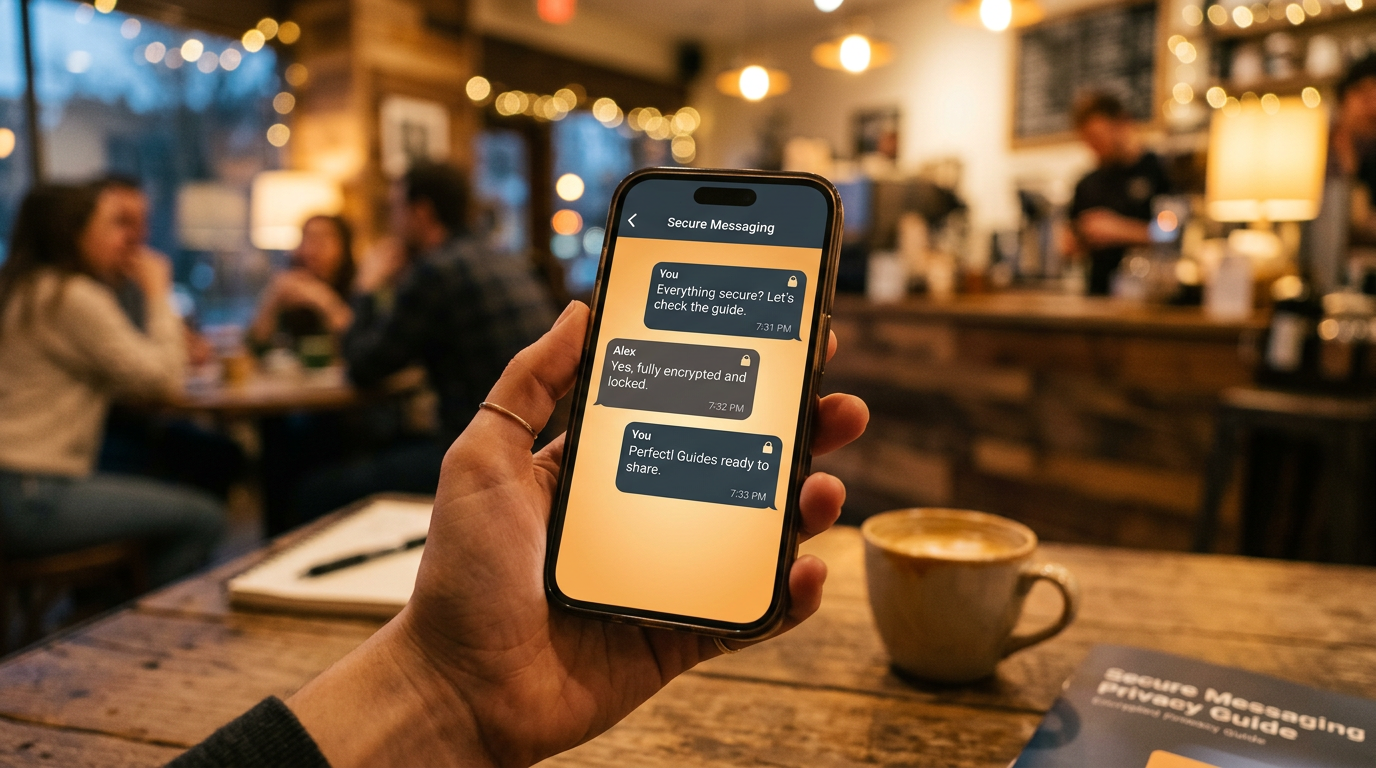
In an era of increasing digital surveillance, data breaches, and privacy concerns, protecting your private communications has never been more critical. This comprehensive guide covers everything you need to know about secure messaging in 2026.
The State of Digital Privacy
Recent years have seen an unprecedented increase in data breaches, government surveillance programs, and corporate data collection. In 2025 alone, over 1.5 billion records were exposed in data breaches worldwide. The message is clear: if your data exists on a server, it can be compromised.
Understanding Threat Models
Before choosing a secure messaging solution, it's important to understand your specific threat model. Ask yourself:
- Who might want to access my communications?
- What are the consequences if my messages are exposed?
- How long does this information need to remain confidential?
- Am I subject to regulatory requirements for data protection?
Key Features to Look For
End-to-end encryption ensures that only the sender and recipient can read messages. Zero-knowledge architecture means even the service provider can't access your data. Self-destructing messages ensure that sensitive information doesn't persist beyond its useful life.
Additionally, look for services that offer no-log policies, open-source code for transparency, and independent security audits to verify their claims.
Best Practices for Secure Communication
Technology alone isn't enough — secure communication also requires good habits:
- Never share sensitive information through unencrypted channels
- Verify the identity of your recipients before sharing confidential data
- Use self-destructing messages for information with a limited useful life
- Regularly review and revoke access to shared resources
- Keep your devices and software updated to patch security vulnerabilities
Looking Ahead
The future of secure messaging includes post-quantum encryption algorithms that will protect against quantum computing attacks, decentralized messaging protocols that eliminate single points of failure, and AI-powered threat detection that identifies and blocks sophisticated attacks in real-time.
By adopting secure messaging practices today, you're not just protecting your current communications — you're building habits that will serve you well as the digital landscape continues to evolve.